
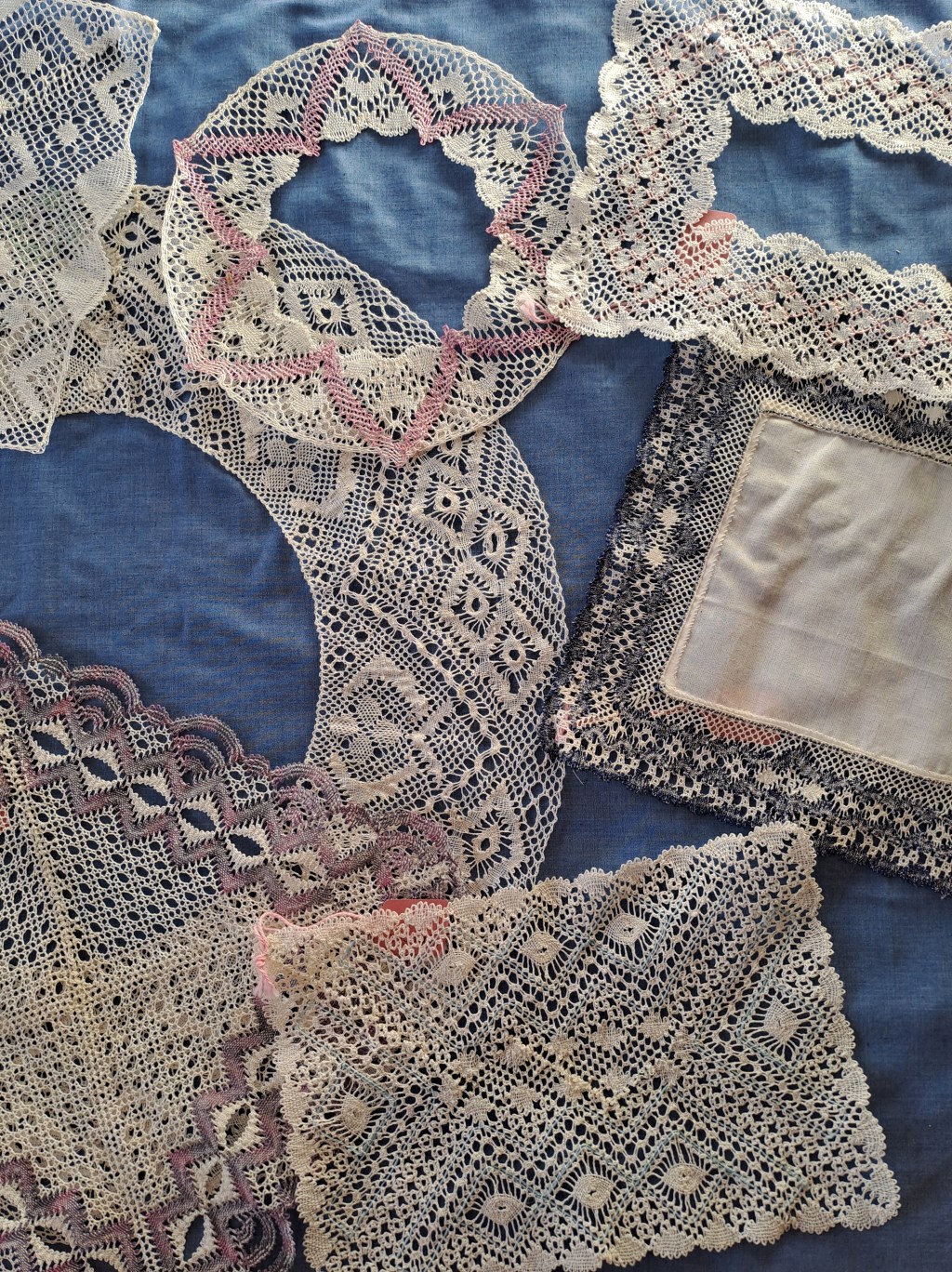
Torchon lace is often the first style of lace that beginners try, usually because it is continuous rather than piece-lace (which means there are few tricky joins or sewings in to be made) and because it is geometric, using holes plotted on a 45° grid. You work diagonally down the grid (if you’re going uphill at any point, you’ve probably gone wrong!), adding and leaving out pairs in trails and decorative stitches such as Rosegound, spiders, honeycomb rings and fans. These are all based on the two basic stitches of whole stitch and half stitch.
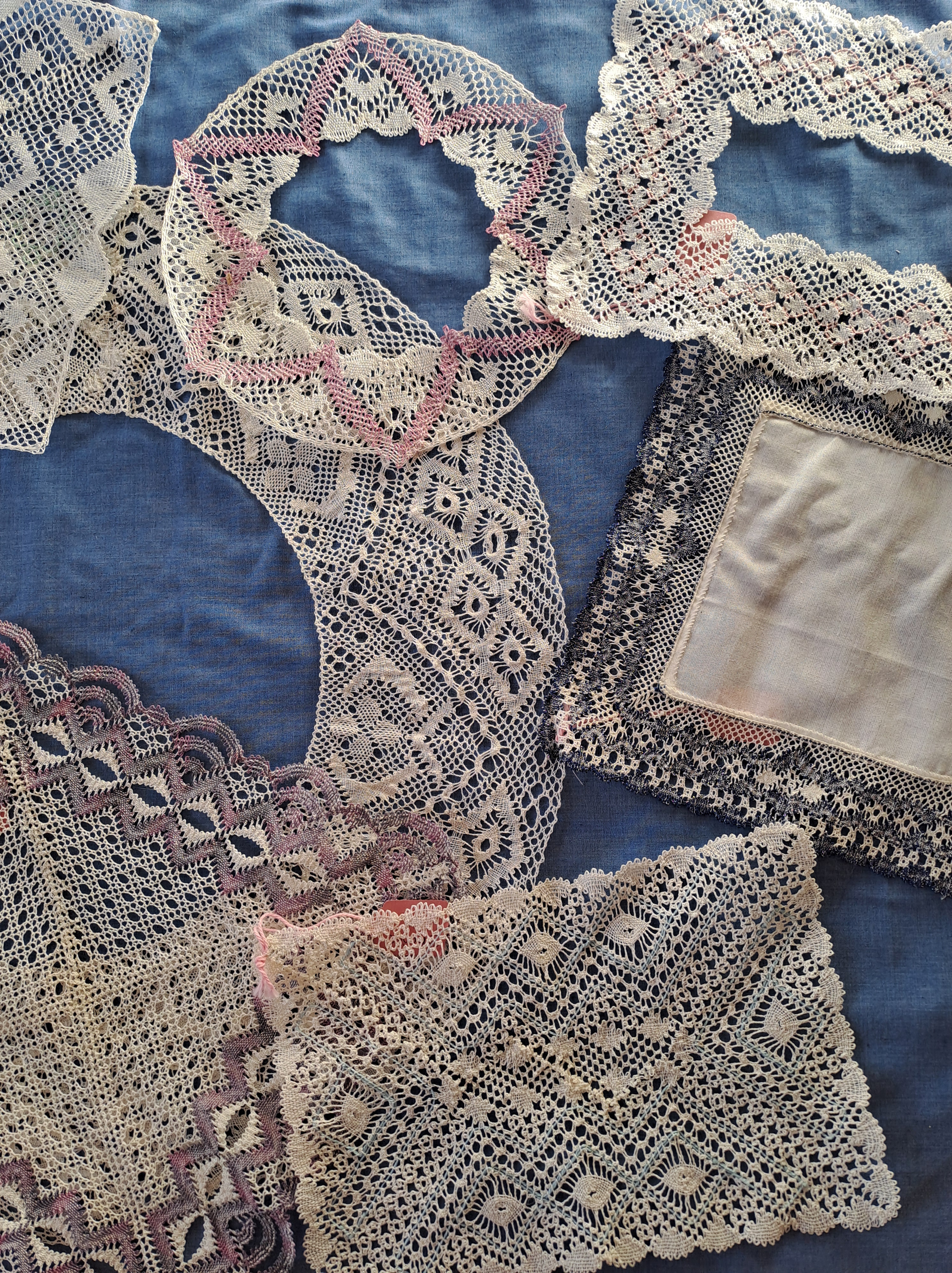
Roughly translated as ‘dishcloth’ and previously referred to as Beggar’s Lace, Torchon has in the past been seen as an inferior style of English lace as it lacks the intricate and delicate beauty of Bucks Point, and the complexities of Bedfordshire and can be easily replicated in machine-made lace. However, Torchon is an accessible, highly customisable and logical form of lace which can produce some beautiful, finished pieces.
There are loads of patterns available for Torchon – Biggins for example have a really extensive selection – but if you’re looking for a book that can walk you through the different stitches, here are four recommendations. Most of these are now out-of-print but you can usually find second hand copies online or at local lace groups, and if you are a member of the Lace Guild in the UK, they have a library where you can borrow books for free.
Bridget M. Cook, The Torchon Lace Workbook
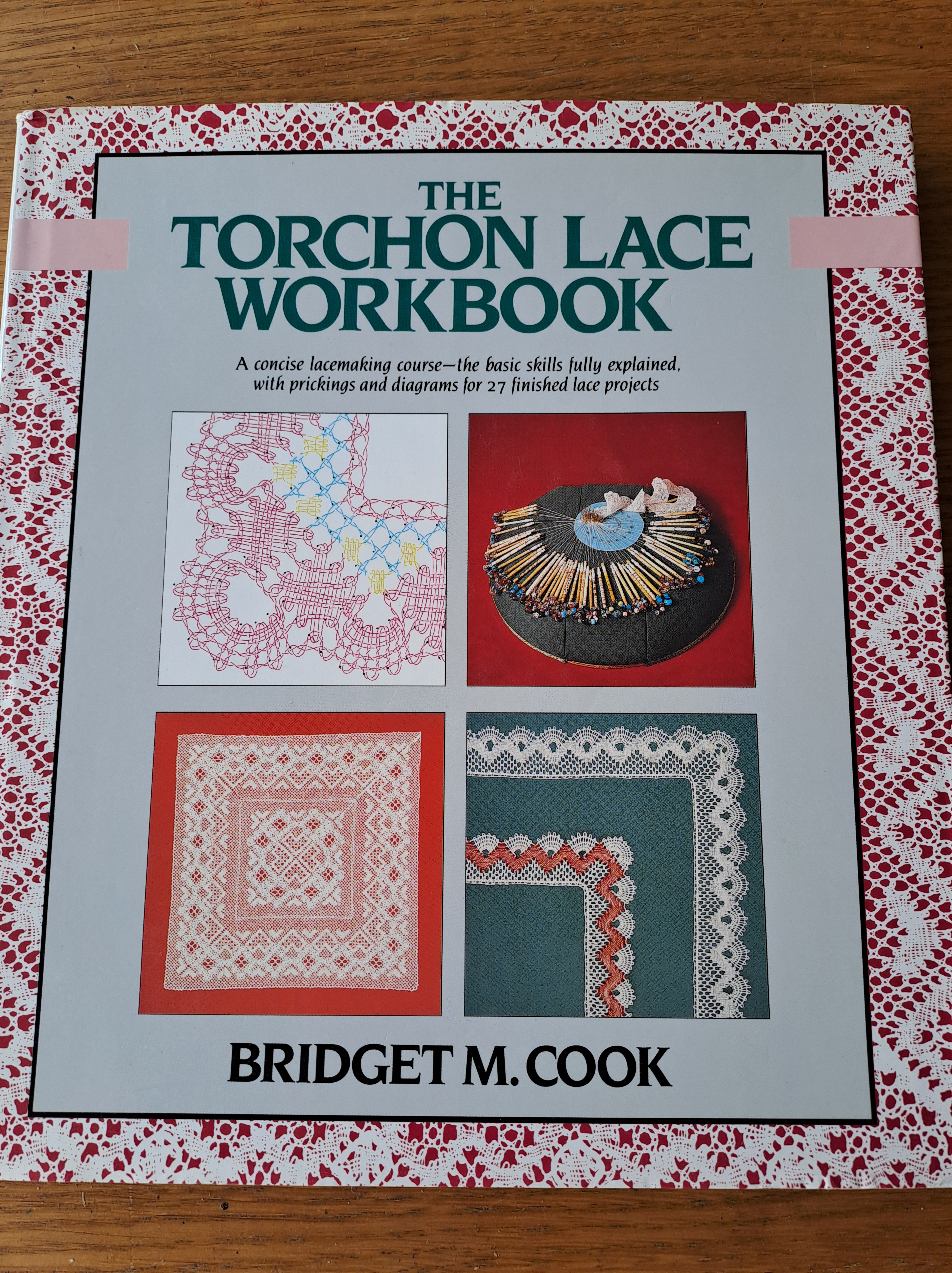
I love Bridget Cook’s books and always recommend this one to beginners. It lays out the basic skills with prickings and colour-coded diagrams for 27 projects. You can use it as a course, working through each exercise until you’ve mastered the techniques.
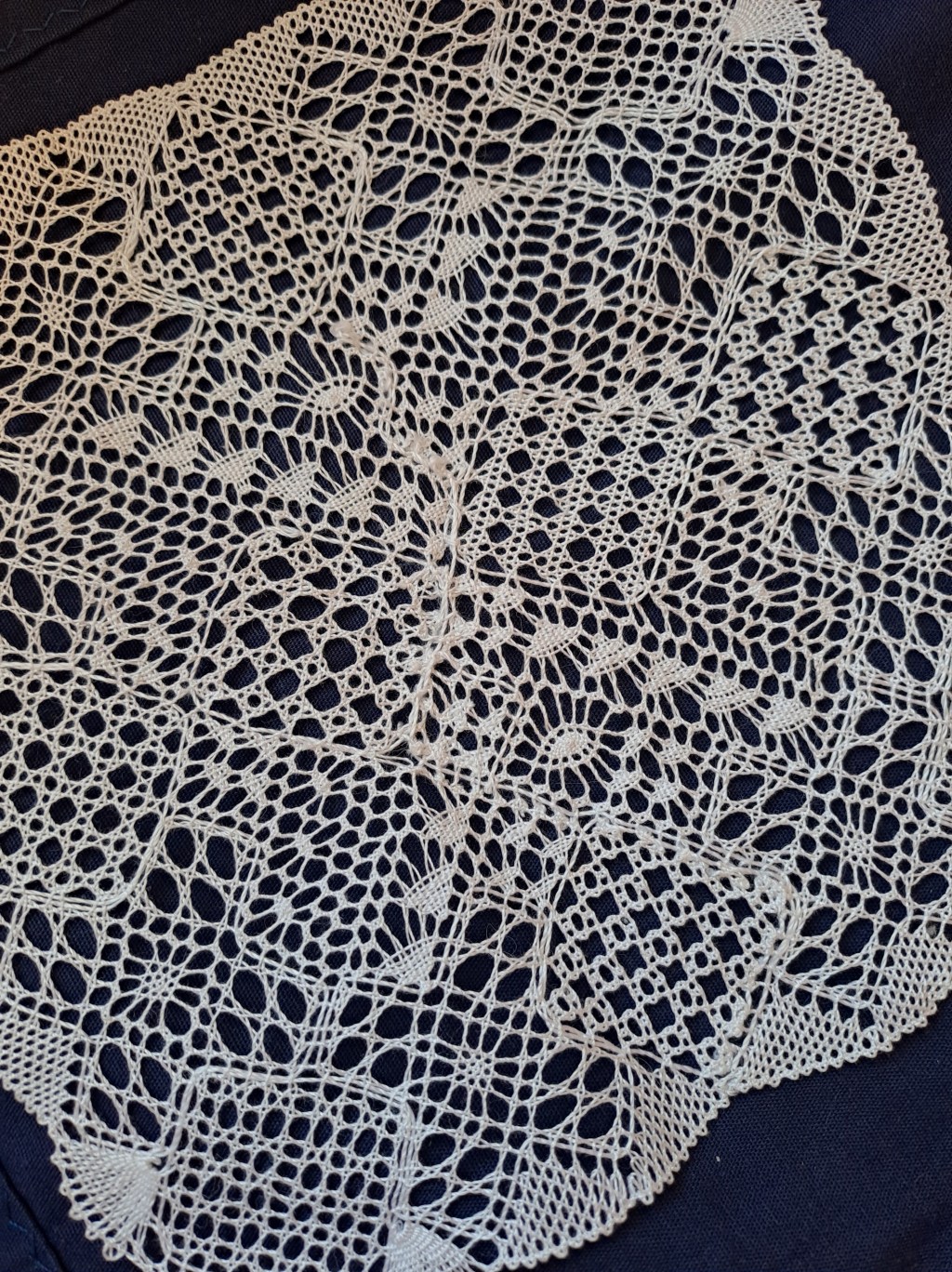
I’ve made a few of the patterns in the past including the daisy oval and the hearts and flowers mat:
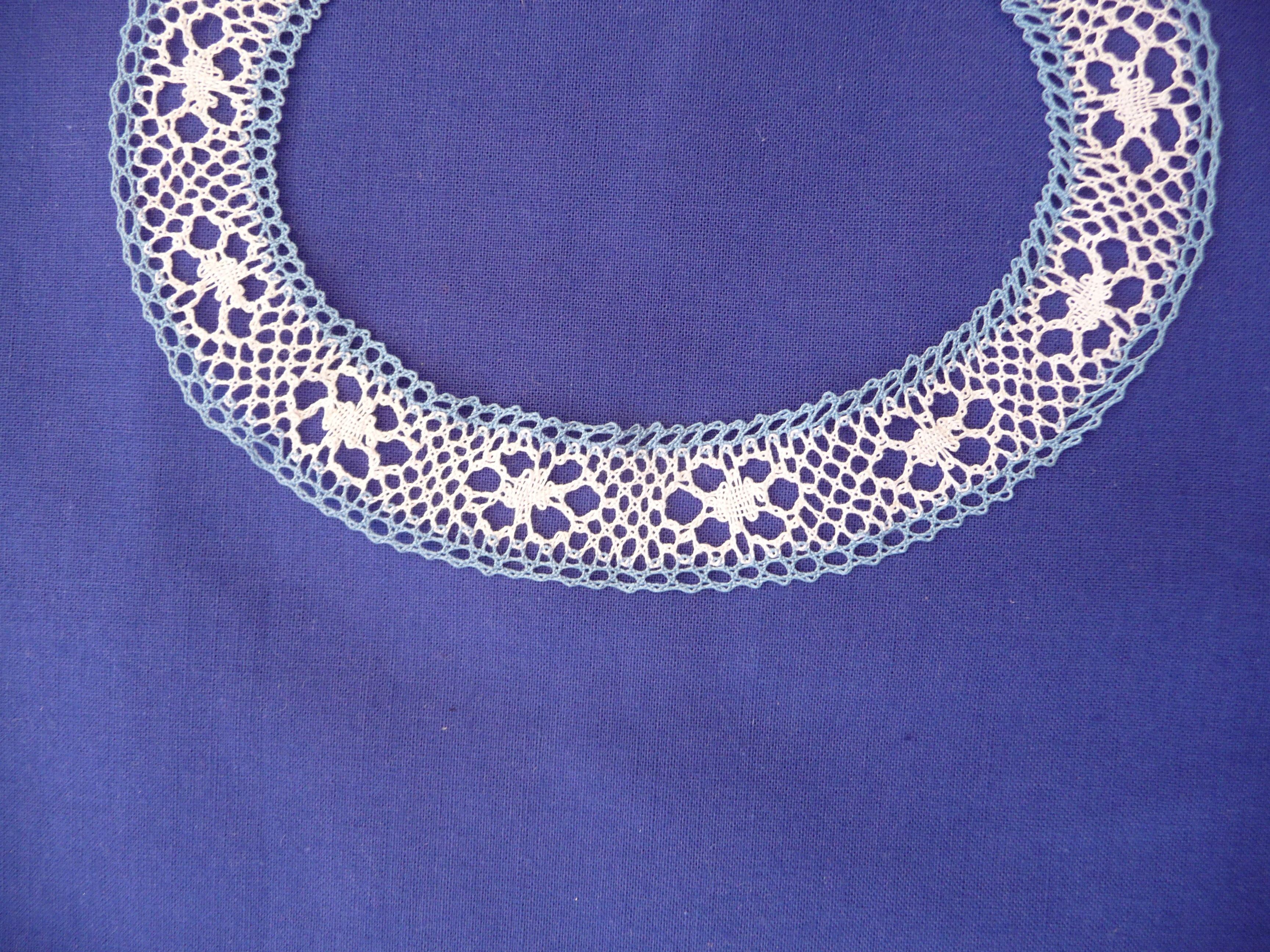
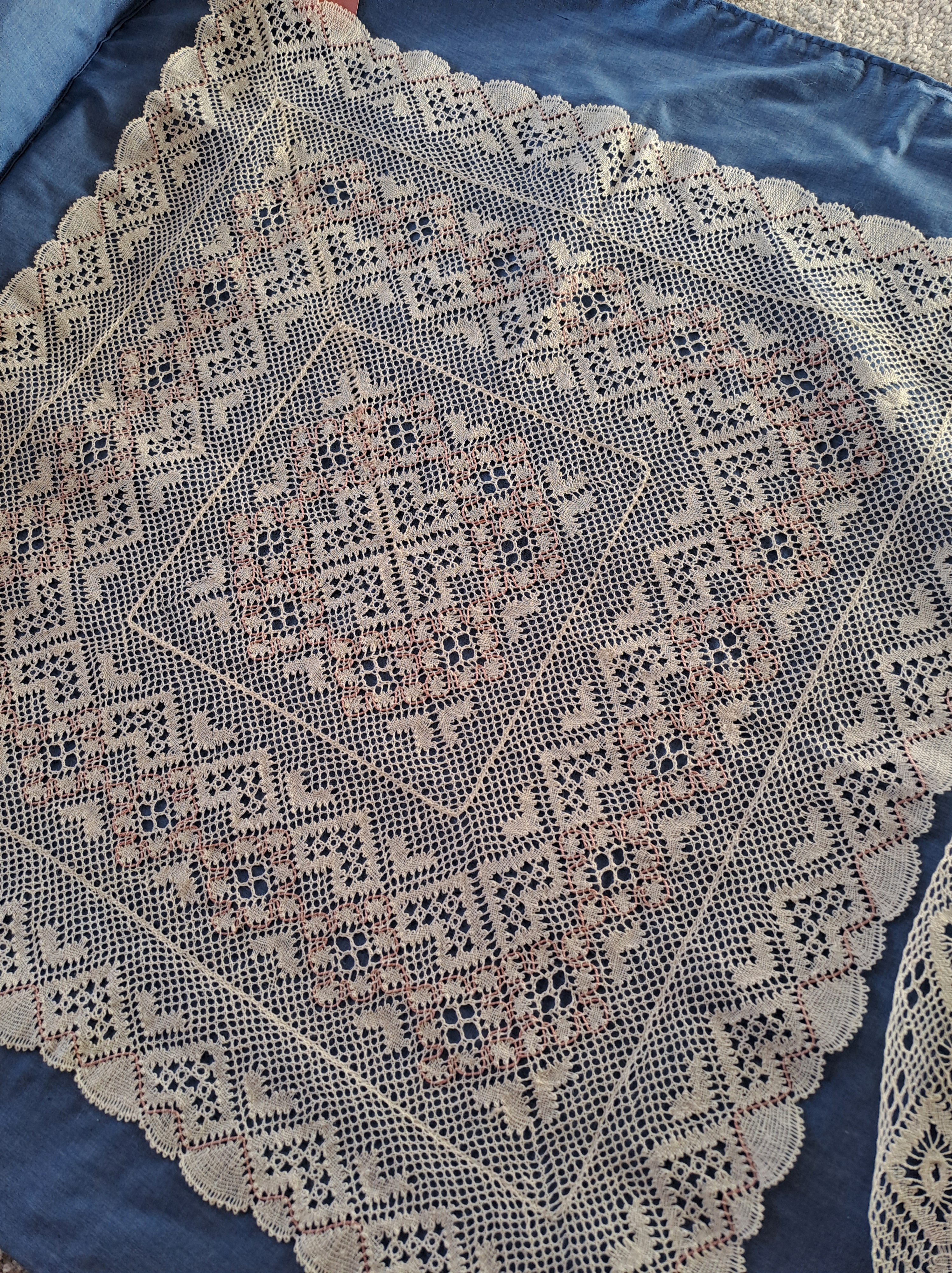
Her instructions are clear and the diagrams are useful- highly recommend!
Pamela Nottingham, The Technique of Torchon Lace
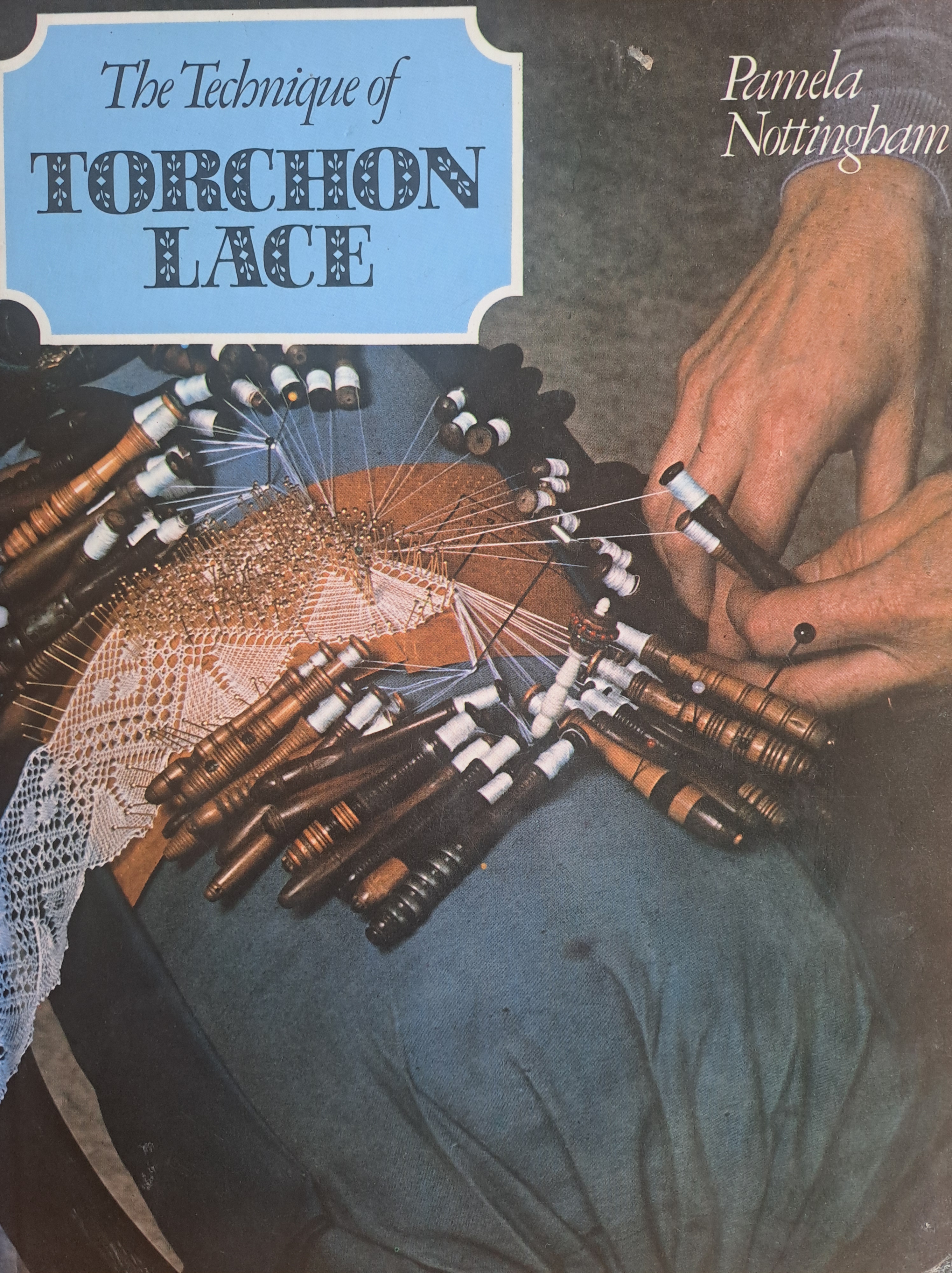
The instructions in this are a lot more wordy and less visual than Cook, but it is a comprehensive guide to Torchon stitches and techniques, with chapters on edgings and motifs, mats, circular edgings and collars and insertions, interspersed with chapters on stitches, variations and beginning and ending. There’s also a section of grids at the back so you can use what you’ve learnt to draft your own patterns.
Robin S. Lewis, 101 Torchon Patterns
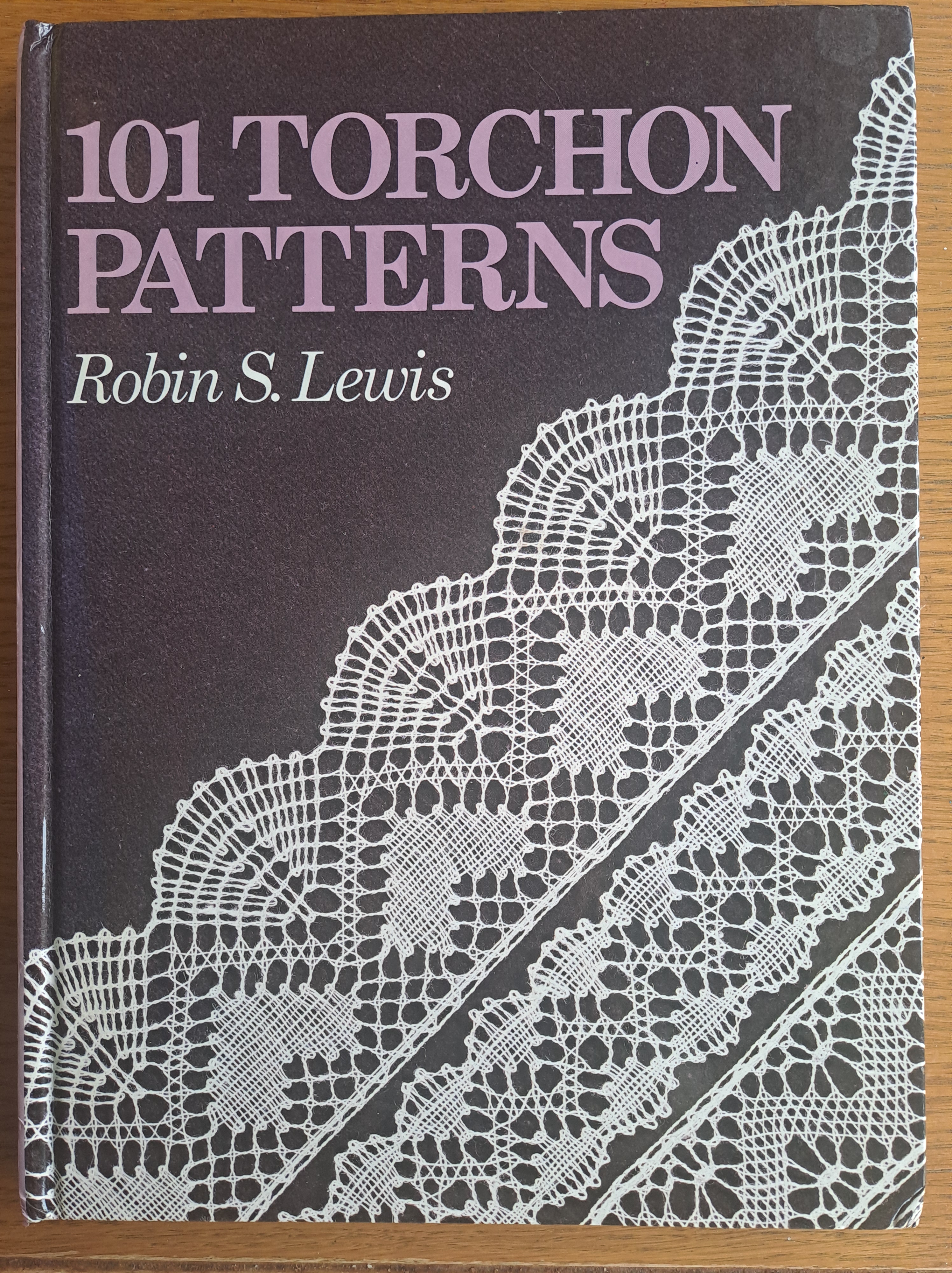
In contrast to Nottingham’s book, this has very few written instructions, but it has colour-coded diagrams for each pattern and a handy section at the start showing all the techniques and stitches used. There are then chapters on edgings, insertions, corners, bookmarks and medallions. Rather than working through in order, this is a book to dip in and out of when looking to practice a technique or when wanting to find a piece to complete a project, and there’s a wide variety of prickings combining stitches at different levels of complexity.
Jennifer Fisher, Torchon Lace for Today
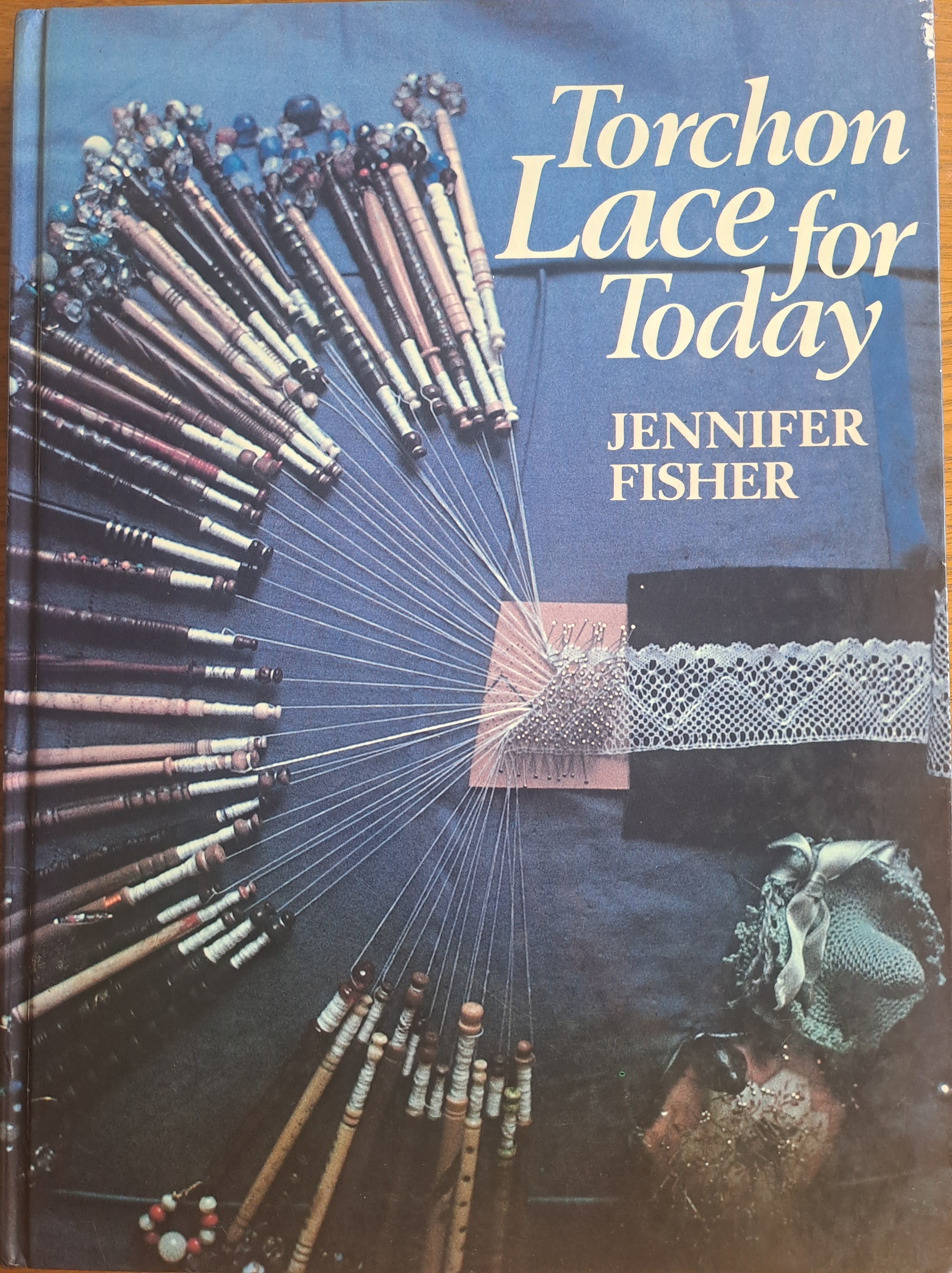
Published in 1983, the ‘today’ of the title has long since passed, but I still like this book because it encourages the lacemaker to be experimental and introduce different design elements into their work. As with Nottingham, it is quite wordy but the instructions are generally clear and well-structured. I bought this second hand and there were sample strips worked by the previous owner tucked into one of the pages.
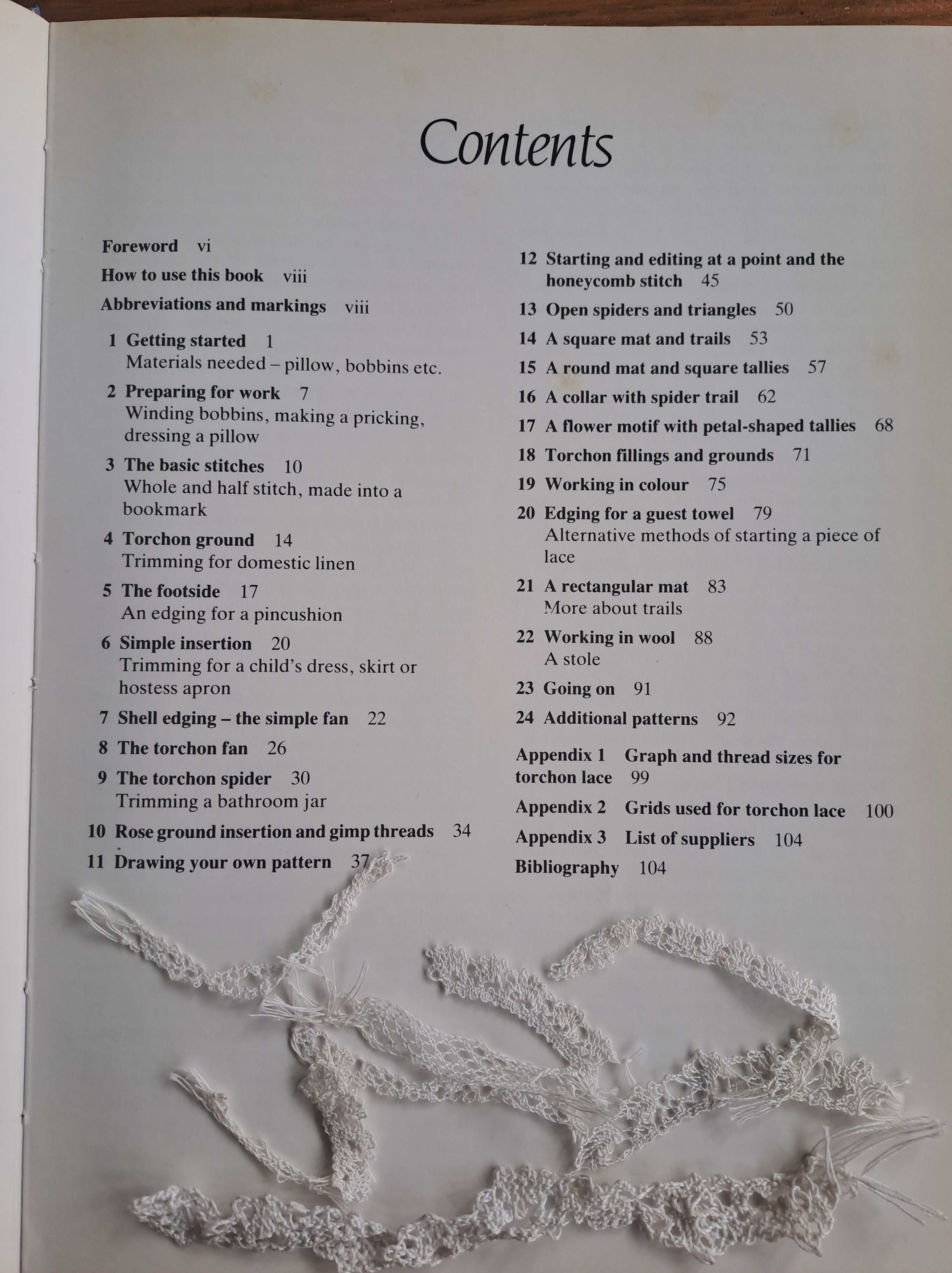
Have you used any of these books, or do you have other favourites for Torchon lace that I haven’t included here?

 Cattern Lace
Leave a comment