
Earlier this month I became a Trustee for Heritage Crafts, the charity which exists to support and promote heritage crafts and their practitioners. I was really keen to support the vital work of this amazing small team who do so much to raise the visibility and cultural importance of craft and makers in the UK.
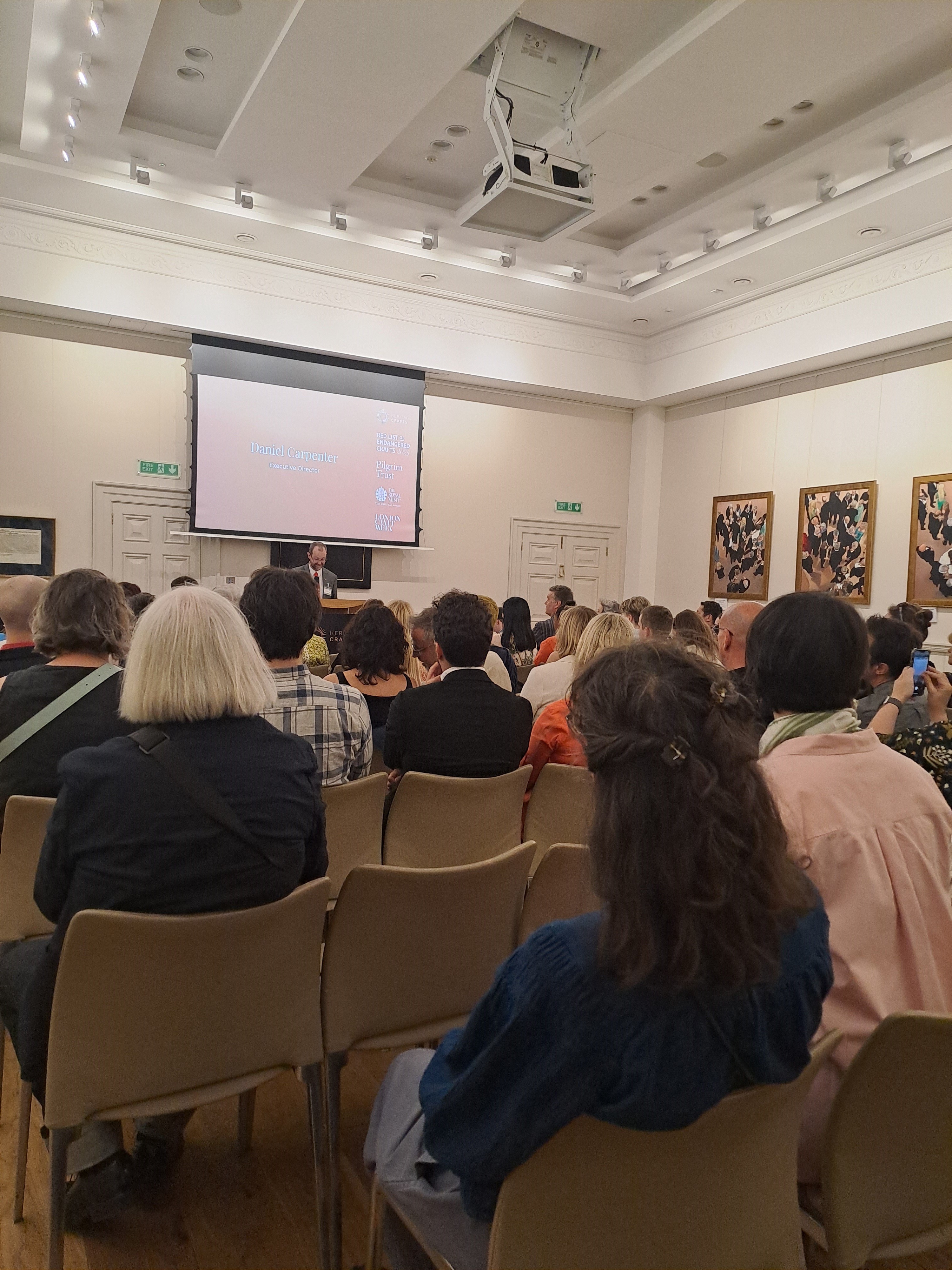
On Tuesday I attended the launch of their 2025 Red List of Endangered Crafts The Red List – Heritage Crafts |, and their new matchMaker service matchMAKER – Heritage Crafts | at the Furniture Makers Hall in London. The speakers and craftspeople who were demonstrating were all incredible and it was an inspiring event, as well as delivering a powerful call to arms.
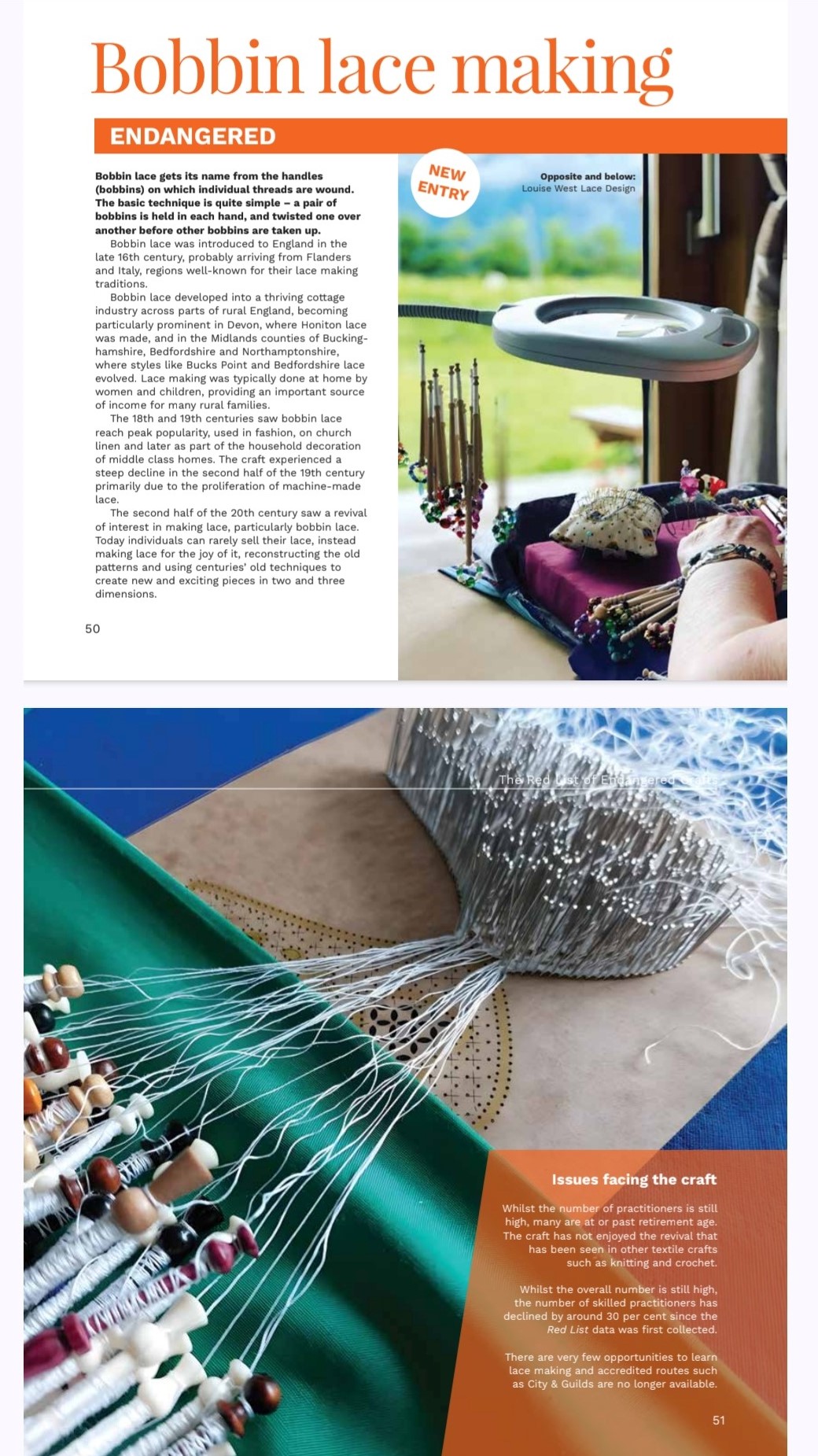
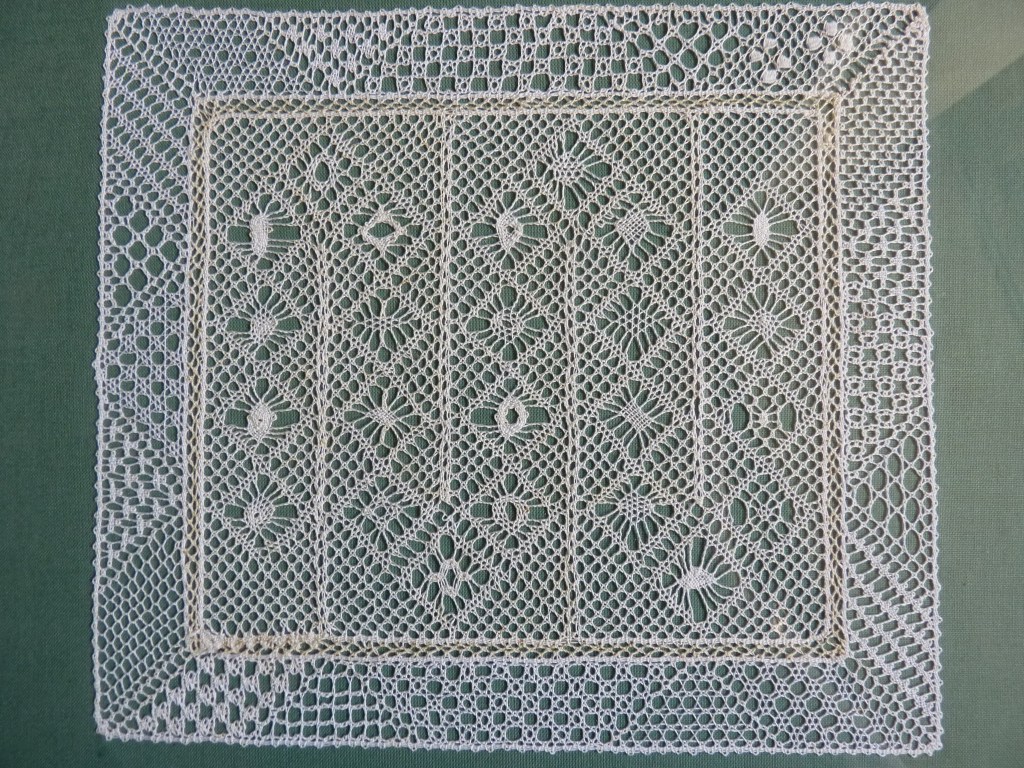
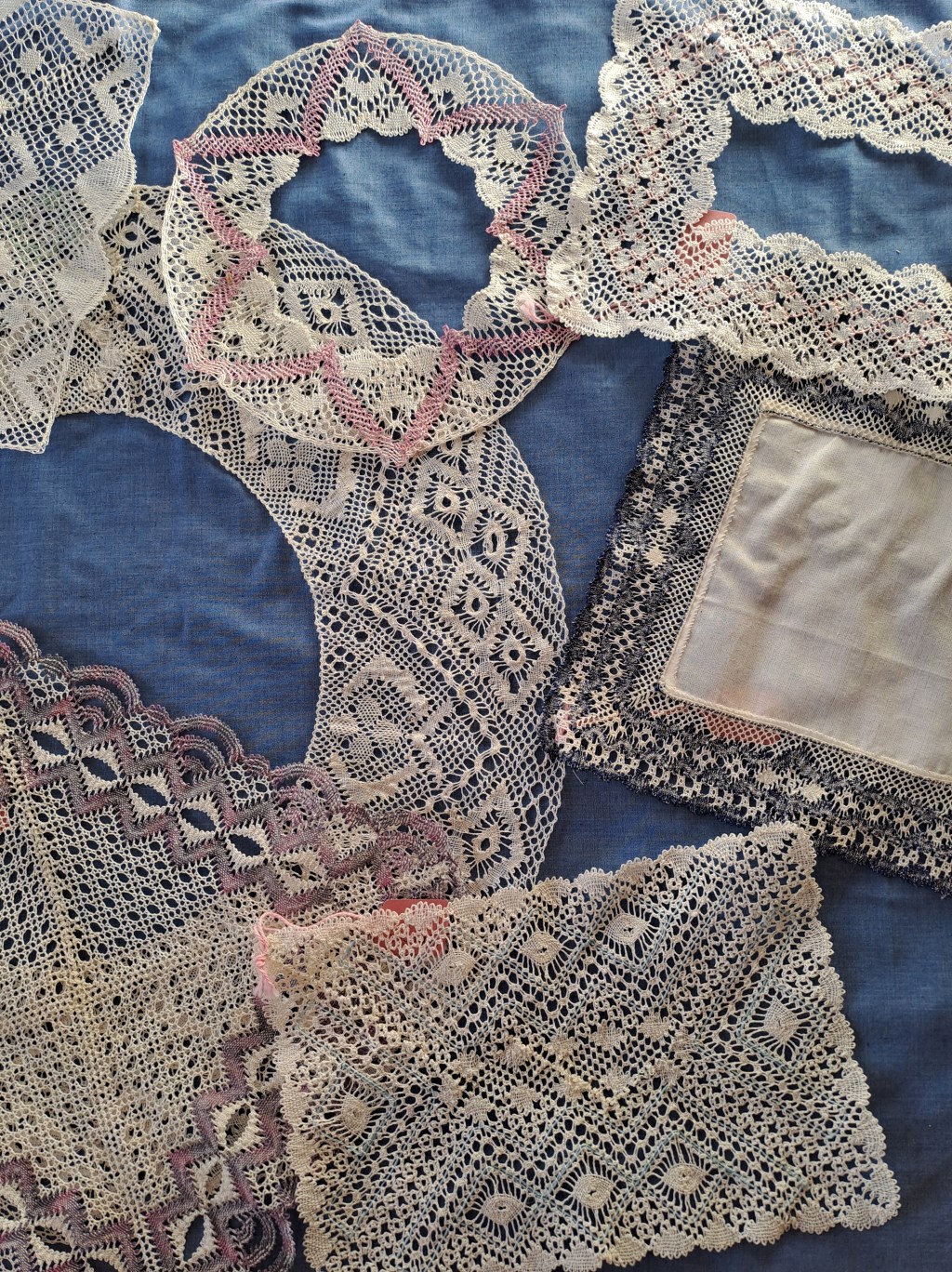
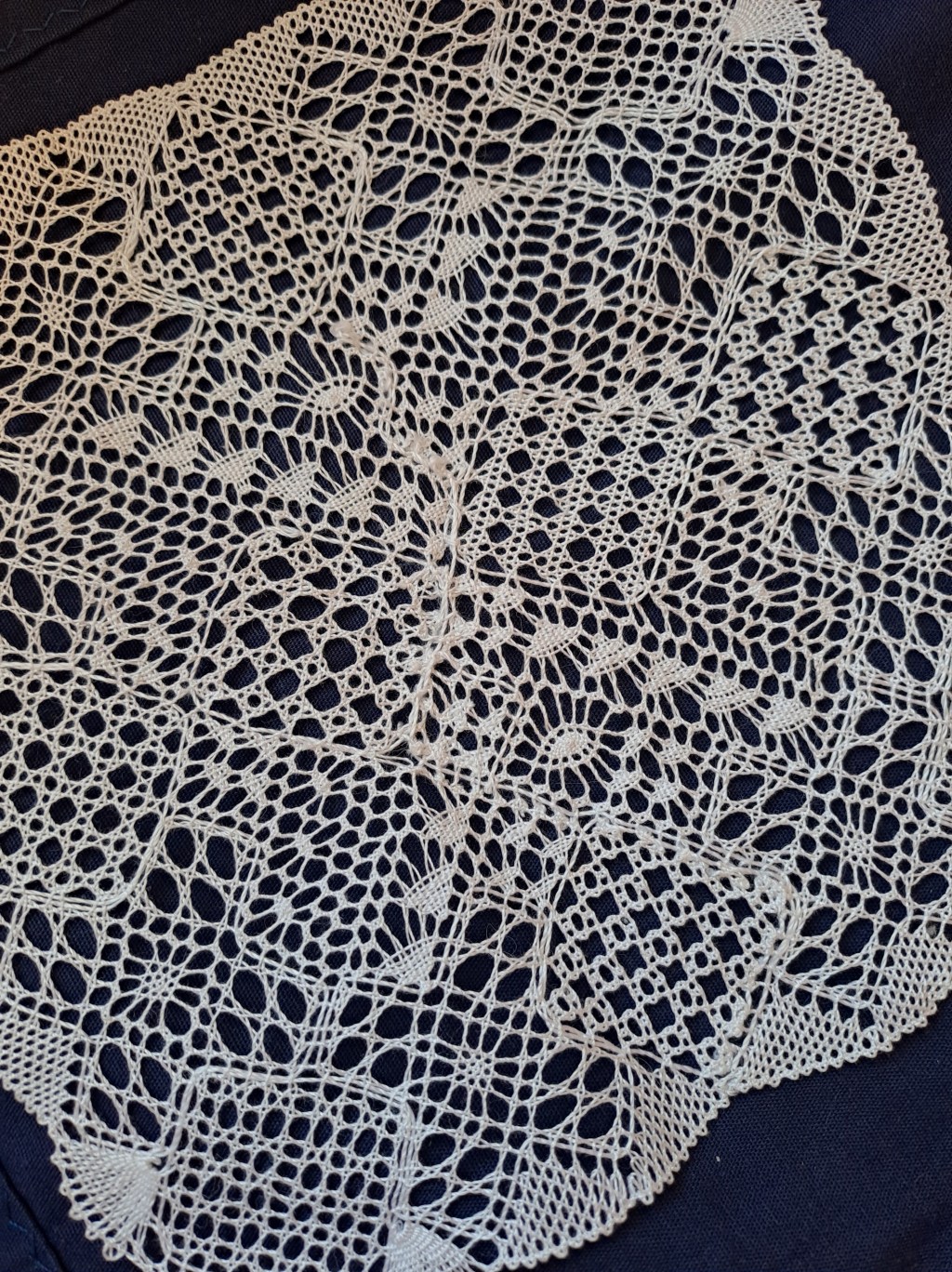
Published every two years since 2017, the Red List categorises crafts into those which are viable, endangered, critically endangered and extinct. For the first time, Bobbin Lacemaking has moved from viable to endangered, as there is a declining number of skilled practitioners (who are also ageing), combined with a lack of training options and awareness of the craft Lace making (bobbin lace) – Heritage Crafts |.
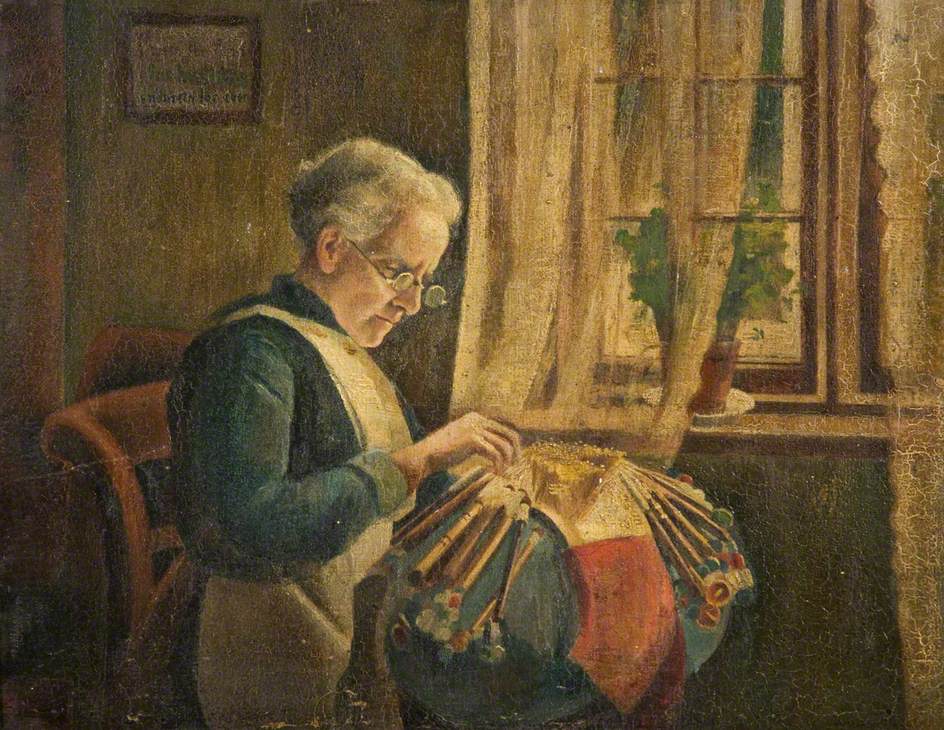
This isn’t of course the first time that bobbin lacemaking has been under threat in the UK. During the early decades of the 20th century, following the mechanisation of lace making in the late 19th century which moved production from being a domestic craft completed mainly by women in their homes and communities to mass industrial production, the numbers of lacemakers almost disappeared, along with their skills, knowledge and traditional patterns. Handmade lace was devalued, destroyed and as fashions for clothing and homes necessarily became more utilitarian through rationing, lace lost its prominence as a valued and valuable textile.
Due to the efforts of a handful of lacemakers, the craft started coming back from the late 1960s and experienced a huge resurgence during the late 70s and 80s, with the establishment of many groups, guilds and courses as well as the publication of numerous books and resources which ensured the viability of the craft into the 21st century. Many of those who learnt to make lace at this time are now of course ageing which is contributing to the slow but steady decline reflected in the Red List.
The availability of local courses and affordable workshops and opportunities to learn the craft is a contributing factor too. Multiple reports from the Crafts Council over the past decade (e.g. Studying_Craft_3_full_report_2016.pdf ) have shown the detrimental impact that the lack of craft learning opportunities for those between pre-school age and post-retirement is having. I’ve written about this previously here: Studying Craft: trends in craft education and training – Cattern Lace
Whilst this presents quite a bleak picture, there is still reason to be positive. The estimated 3000 current lacemakers in the UK have a wealth of knowledge and skills of traditional techniques across all the English laces and have taken lacemaking in new directions with exciting and innovative modern techniques, including groups such as the 98 Lace Group 98Lace: Contemporary Lace and the Westhope Group HOME | WesthopeGroup. As Gilian Dye writes in the preface to her book A History of Lace in 100 Objects:
At one level lace offers an accessible domestic craft for all levels of society, at another it celebrates the highest expression of artistic craftsmanship.
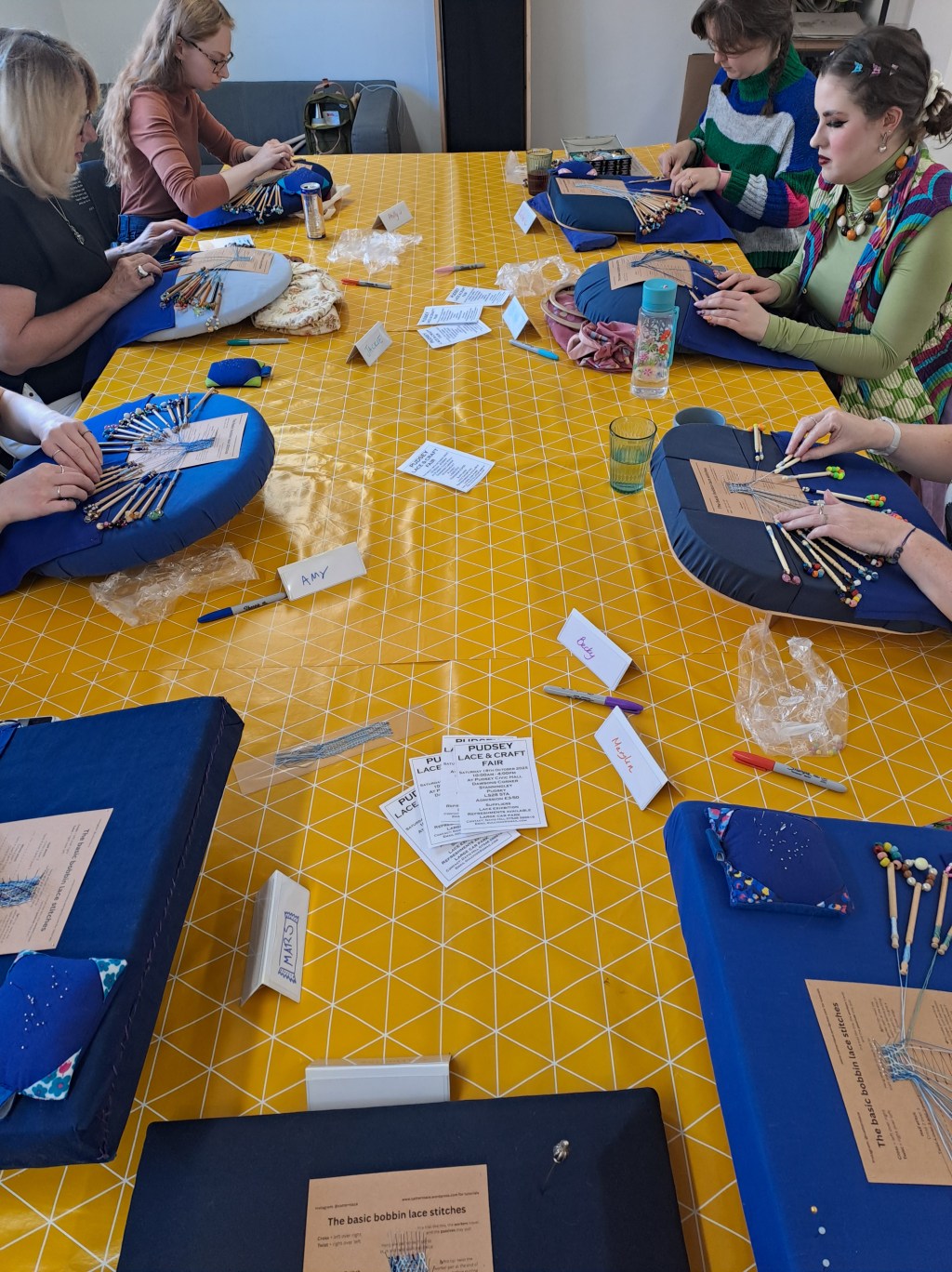
With such a rich heritage and with a still strong number of passionate makers, lace will I’m sure rise to the challenges we’re currently facing. The emergence of new groups (such as the London Lace Club London Lace club (@londonlaceclub) • Instagram photos and videos and LaceArtSocial in Colchester Lace Art Social (@laceartsocial) • Instagram photos and videos) and the continuation – albeit with declining numbers- of well-established local groups mean that there are still places to pass on and learn lacemaking skills and it’s so important that they continue and attract new members.
Hopefully the Lace Guild’s 50th anniversary and the events planned to raise awareness of and showcase the craft at National Trust properties and other public spaces (Golden Anniversary 2026 | TheLaceGuild) will also give the craft a boost and bring some new people to it.
With the Wolds Lacemakers (Wolds Lacemakers (@woldslacemakers) • Instagram photos and videos) I’m currently leading on a really exciting project to support the passing on of skills, which I’m now even more impatient to launch. Watch this space!


 Cattern Lace
Leave a comment